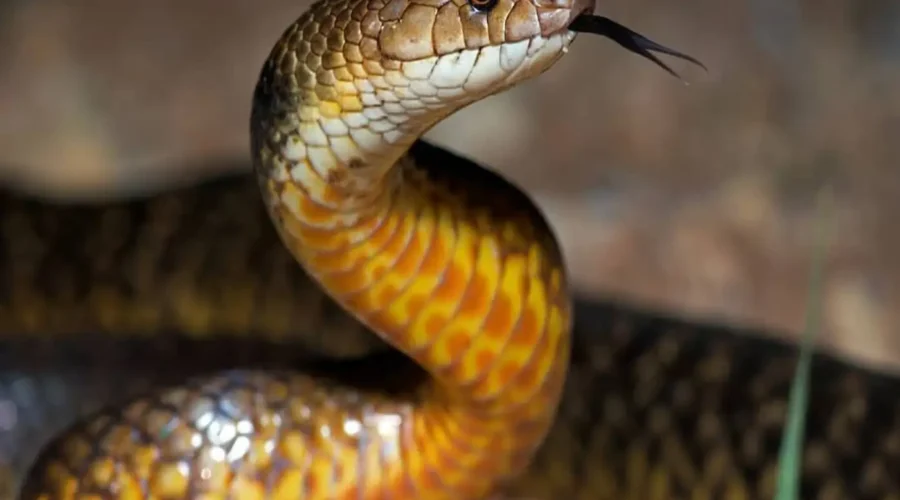
What Snakes Are Found in Uluru?
What snakes are found in Uluru? You ask that, & not surprisingly, given my extensive time exploring Australia’s Red Centre, hanging out near Uluru-Kata Tjuta National Park. I’ve spent countless hours tramping around, and honestly, you’d think I’d have a snake wrapped around my leg at any given moment. But the reality is that most visitors don’t encounter a single snake, let alone a bunch. So before you picture some chaotic scene near Ayers Rock or Kata Tjuta, grab a deep breath: we’ll get to the snakes in a minute.
By the way, my name is Paul Beames, and I’ve spent years guiding people through Aboriginal land – places like Alice Springs, Kings Canyon & other spots in the Northern Territory. I’ve picked up that knowing what’s lurking in the bush isn’t just a good idea; it makes the whole experience so much richer. You learn to love the rock formations, the spinifex, the red dunes, the sunsets – all the stuff that makes this place so special. And the snakes play a part in that story, just as the Dreamtime & traditional owners do.
Reptile Species Found in Desert Regions
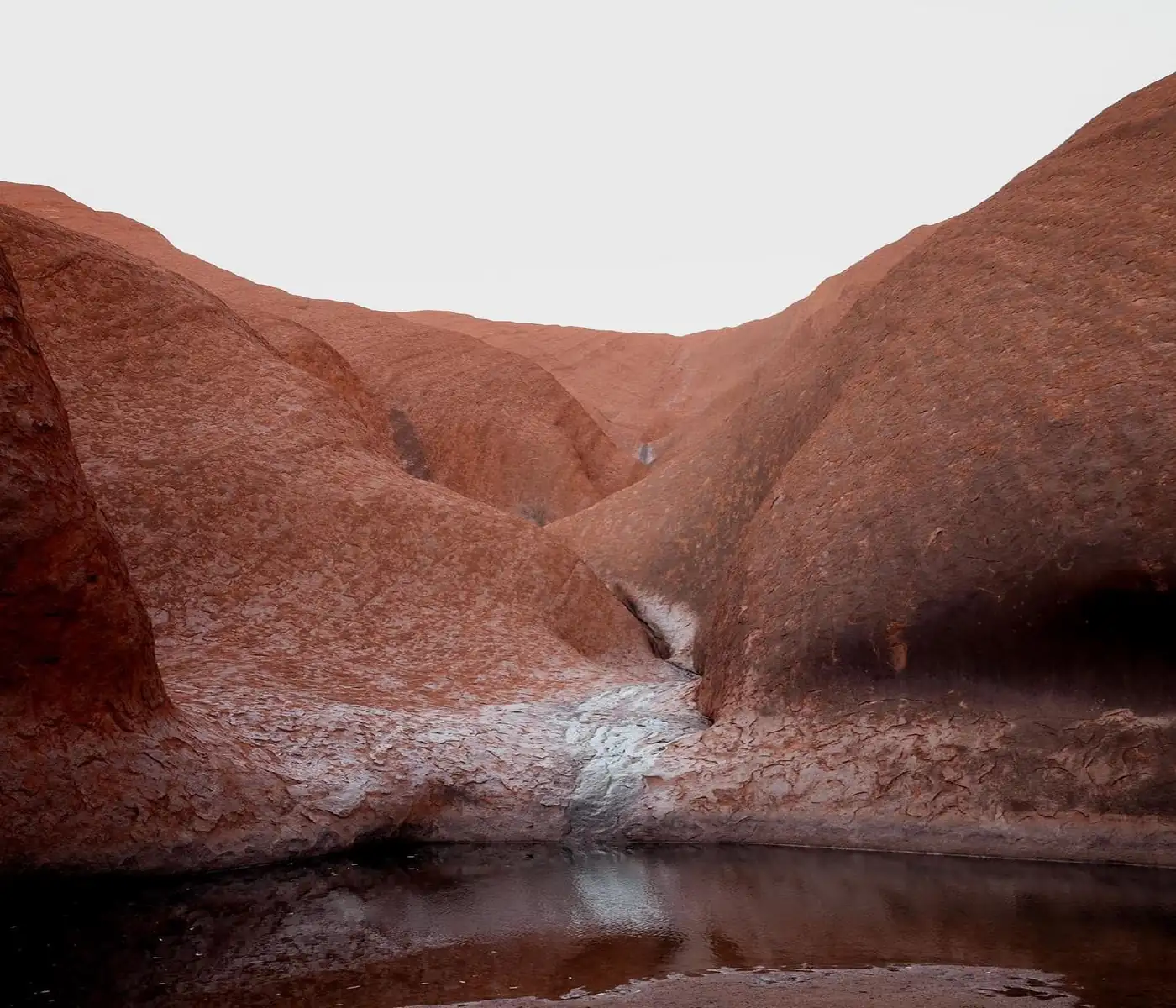
If you think all Aussie snakes are out to get you, don’t stress, most of them couldn’t care less about humans. Around Uluru-Kata Tjuta National Park, there are about 13 kinds of snakes, but don’t worry, only a few of them are the sort you need to be worried about. Most of the time, when you do see a snake, it’s at dawn or dusk in the warmer months, probably near the Mutitjulu Waterhole or some other good spot like walking under the mass of Uluru or wandering through the Kata Tjuta trails.
Identifying the Key Species in the National Park
Here’s a quick rundown of some of the creatures you might encounter while walking the base track, or popping out to Kata Tjuta, the dunes near Ayers Rock Resort or the Cultural Centre.
Western Brown Snake (Gwardar)
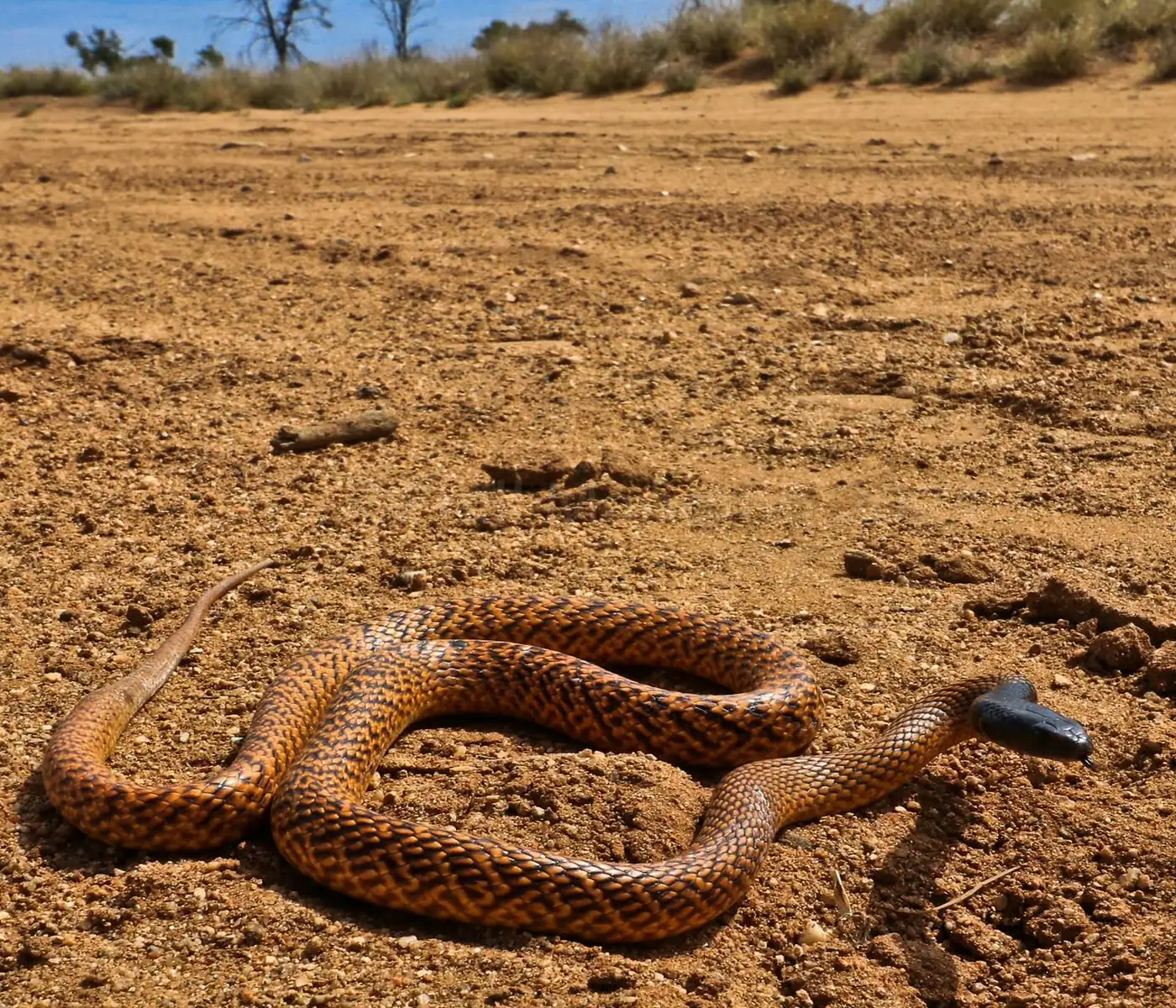
Western Brown Snake (Gwardar) snakes are super venomous and just about invisible in the desert sands around Uluru and the surrounding Aboriginal land. I’ve only spotted a couple of them in the past 20 years – they always seem to slip away before you even lay eyes on them.
- Highly venomous – seriously, you don’t want to mess with these blokes
- Feeds on small mammals and lizards
- Active in warm weather
Mulga Snake (King Brown)
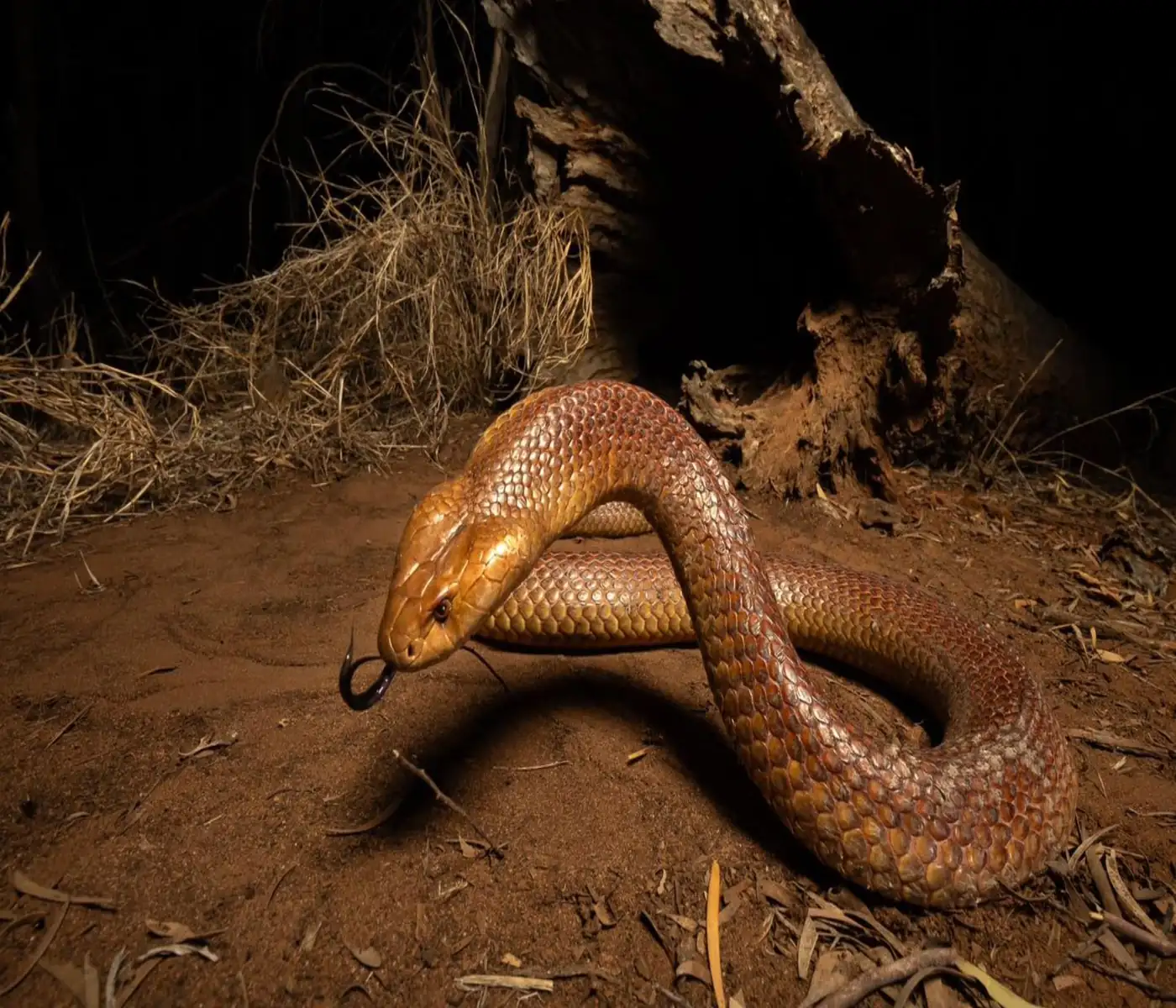
Despite its name – it’s not actually a brown snake – but this thing is a beast. Mulga Snake (King Brown) thrive in rocky country, including areas around Uluru’s sacred sites and ancient rock art. I’ve seen a few of them just sort of… lounging around.
- Venomous (don’t get too close)
- Often seen basking in the warmth of rock formations
- Active all the time – day and night
Desert Death Adder
This species has deep cultural roots among some indigenous people in the Red Centre – and their camouflage skills are pretty much unbeatable. To be honest, I’ve only ever seen one – and it was just curled up like a bit of rope on a sandy track near Walpa Gorge.
- Desert Death Adder is venomous (so watch out)
- Got some of the best camouflage in the business
- Most active at night
Children’s Python
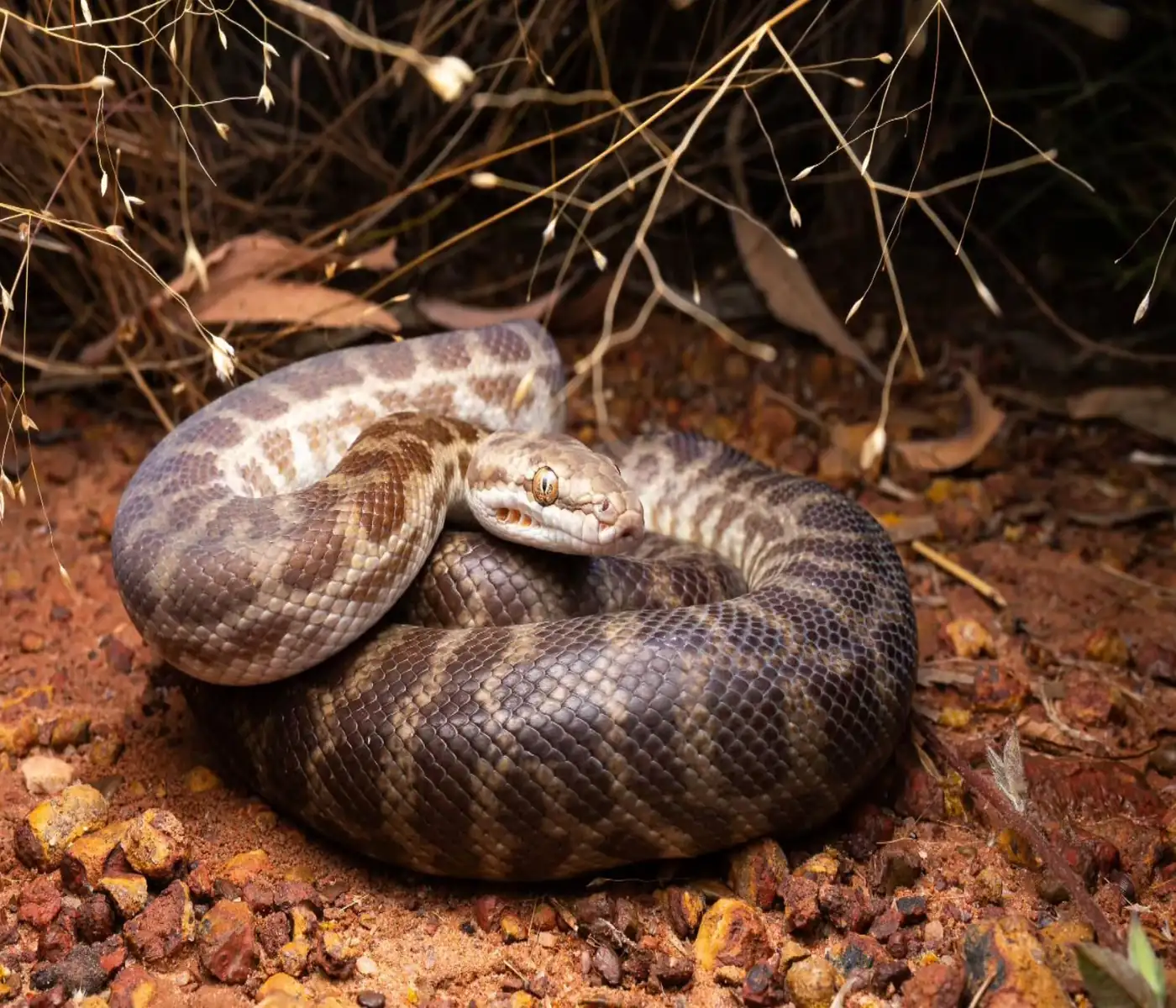
These are pretty harmless, and you’ll often see them just sort of hanging around rocky crevices. I’ve heard from some Parks Australia rangers that they often turn up near art sites and ceremonial areas.
- Children’s Python is completely non-venomous (no worries at all)
- Eats small birds and the occasional mouse
- Common in shaded areas and the Valley of the Winds Walk
Woma Python
Another non-venomous local with a lot of history and cultural significance in Central Australia. Women were very important to the traditional homelands of many local clans.
- Woma Python is as harmless as they come (no worries at all)
- Thick-bodied, sandy-coloured, pretty easy to spot
- Active mostly at night
A Quick Comparison Table for Easy Reference
| Species | Venomous? | Average Length | Common Habitat Around Uluru | Chance of Tourist Encounter |
|---|---|---|---|---|
| Western Brown Snake | Yes | 1–1.5 m | Open desert, spinifex plains | Low–Moderate |
| Mulga (King Brown) | Yes | 1.5–2+ m | Rocky areas, warm surfaces | Low |
| Desert Death Adder | Yes | ~60 cm | Sandy flats, dunes | Very Low |
| Children’s Python | No | 50–70 cm | Rocky crevices, shaded areas | Moderate |
| Woma Python | No | 1–1.5 m | Sandy country, burrows | Very Low |
Data informed by long-term biodiversity surveys and Parks Australia research (current to January 2026).
What Travellers Can Expect
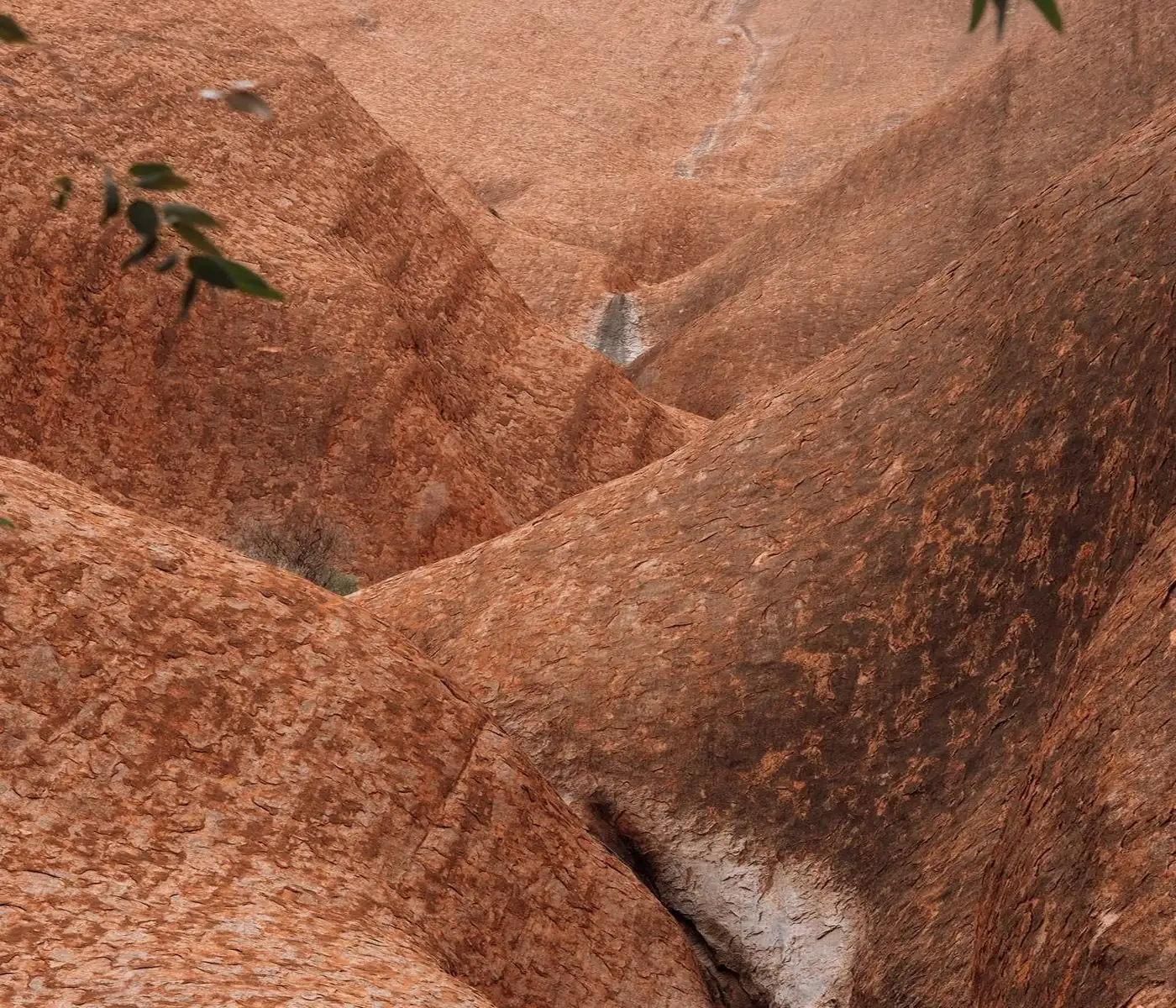
To be honest, it’s not often you’ll catch a glimpse of one. Even when I’ve been leading groups at Uluru daily, an entire season might pass with only a handful of sightings. And that’s because snakes are after shade, food, and a quiet life – not tourists wandering around in fly-nets near cultural centres or marked tracks.
Sightings are a bit more likely:
- After some rain
- During the warmer months
- Just before sunrise or sunset
- Near water holes like the Mutitjulu Waterhole
If you’re visiting in winter, chances are slim – the snakes are tucked away just like everyone else when it gets really chilly.
Respecting Country and Culture
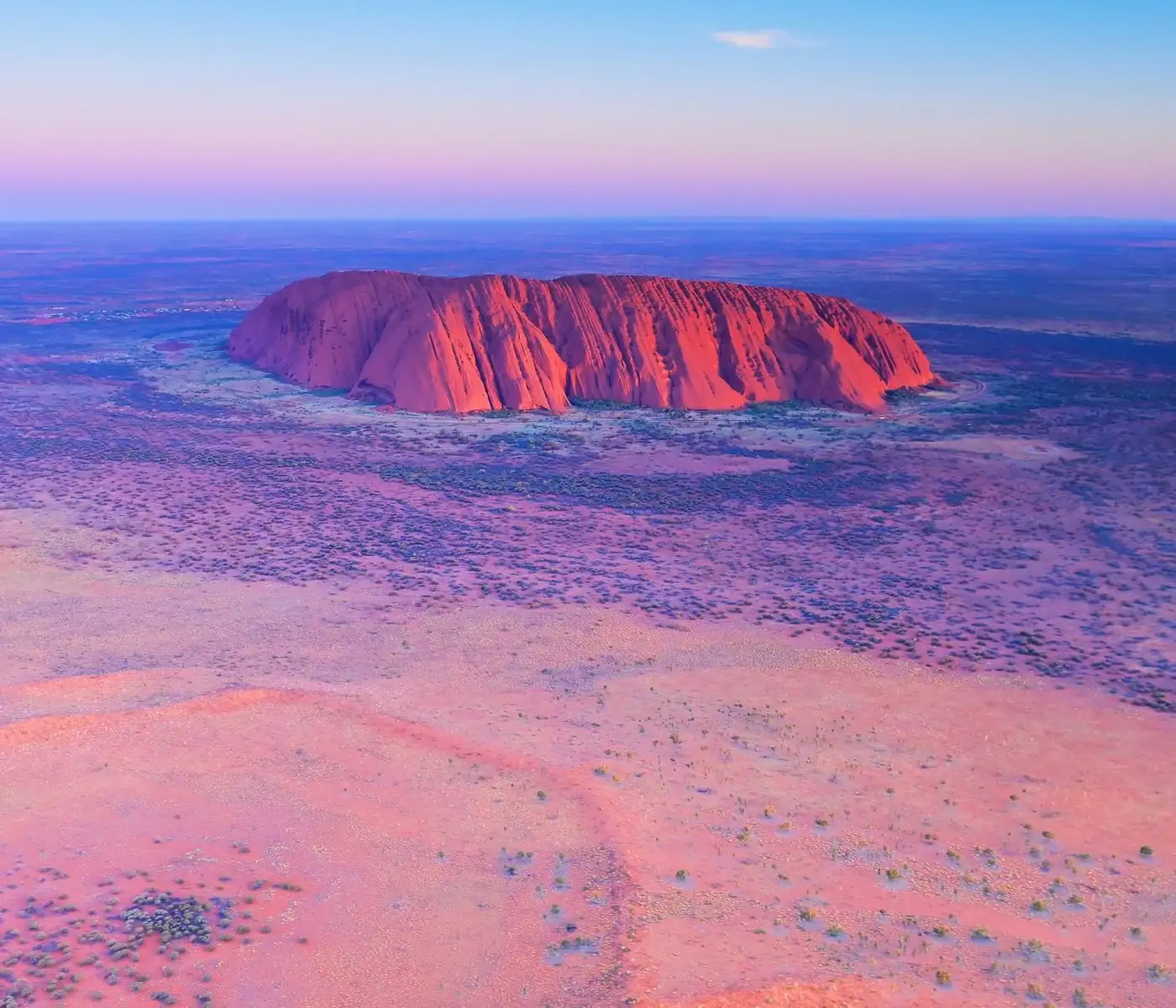
Uluru isn’t just a rock – it’s a sacred site that’s steeped in Dreamtime stories, the rules of old, cultural dos and don’ts and the ceremonial responsibilities that come with it. And when it comes to snakes – well, in Aboriginal culture, they’re connected to creation stories and the land. When you join up with Red Centre tours operators like AutopiaTours, you’ll hear all about the importance of moving respectfully across Country.
Traditional owners, who work hand in hand with Parks Australia, have some simple rules for visitors to follow:
- Observe wildlife from a distance
- Stick to the marked tracks
- Don’t go climbing in the areas that are closed off for spiritual reasons
- Head on over to the Uluru-Kata Tjuta Cultural Centre to get a better understanding of what’s going on.
That’s all part of respecting the land rights of the Aboriginal people – and the care that they’ve taken of this place for thousands of years.
How to Stay Safe and Aware While Exploring the Park
You don’t need to go out and buy all sorts of snake-proof gear or pretend to be some kind of bush expert. Just keep things simple and practical.
Practical for Visitors
- Wear closed shoes, it’s not a bad idea
- Stay on the designated tracks and paths
- Don’t be so quick to jump over rocks without checking first
- Give the sacred sites, rock art and burial grounds a nice, wide berth
- Give any snakes you see at least 5 metres to get away from you
- Keep your tent zipped up when you’re camped out near the Ayers Rock Resort
And if you’re doing ranger-led activities or taking on one of the longer walks, like the Valley of the Winds or Walpa Gorge, your guides will reinforce these easy habits along the way.
What to Do During a Snake Encounter
The one time you really need to remember – stop right in your tracks and let the snake have a chance to wander off.
If a snake appears when you’re out for a walk – be it out near Ayers Rock Airport, roaming Kings Canyon, or just doing the base walk – keep a level head and wait it out. No need to overdo it.
Seasonal Patterns
The desert’s climate is as unforgiving as it is to those who plan trips here.
Hot Season (Oct–Mar)
- That’s when you’re most likely to see snakes
- Snakes tend to show up on trails and near waterholes a bit more
- And let’s be real, heatstroke is probably more of a worry than a bite
Cool Season (Apr–Sep)
- Snakes like to find some warmth – so they’re basking in the sun
- Good time for some long hikes at Kata Tjuta and Uluru
- Generally, snakes aren’t as active
FAQ
Are snakebites common at Uluru?
No. Bites inside the park are almost unheard of.
Do I need to avoid the walking tracks because of snakes?
No, stay on the tracks and follow what the park rangers suggest – it’s the best way to go.
Do snakes ever make an appearance near the resort at Ayers Rock?
Yes, the odd python might wander into landscaped areas, but the staff handle wildlife emergencies regularly and keep everyone safe.
Do I need to go out and buy all sorts of snake gear, like gaiters?
No, just make sure you’ve got good shoes on your feet and stay alert – that’s all you need to worry about.
What to do if someone gets bitten?
Put on the pressure-immobilisation bandage, and be sure to stick with what the people at Parks Australia are telling you to do.