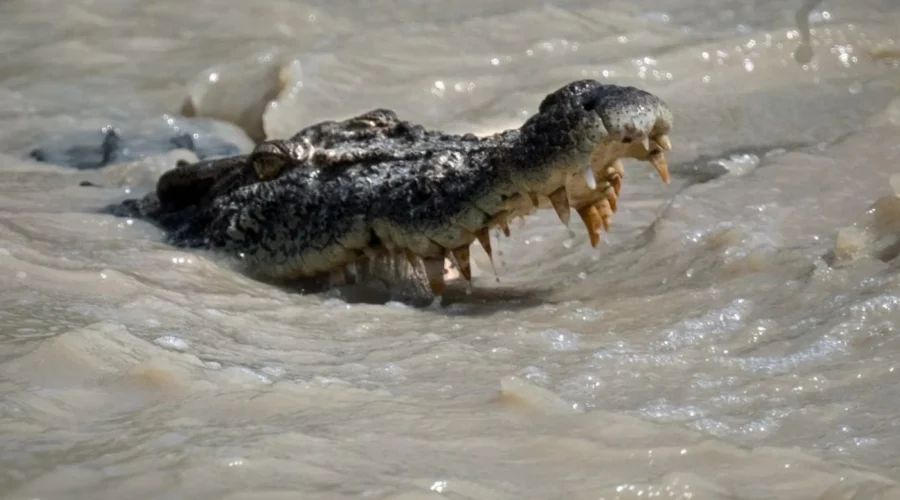
How Many Crocodiles at Cahills Crossing?
Cahills Crossing, on the East Alligator River in Kakadu National Park, is famous for its massive number of saltwater crocodiles. Located on the border of Arnhem Land, this river crossing is more than just a transport point—it’s one of the most croc-infested waters in Northern Australia. Tourists, researchers and wildlife enthusiasts come here to see the powerful predators that call these bodies of water home.
Whether you’re on a Darwin to Kakadu day trip or a longer journey into the heart of the Top End, Cahills Crossing is a must-see on any visit to Kakadu National Park.
Crocodile at Cahills Crossing
At peak times—especially during tidal changes in the dry season—you can see 30 to 40 crocodiles at Cahills Crossing at once and more than 120 estuarine crocodiles in the surrounding stretch of the East Alligator Rivers. This is due to the natural habitat providing both safety and food sources, such as barramundi, a species that comes in during high tides.
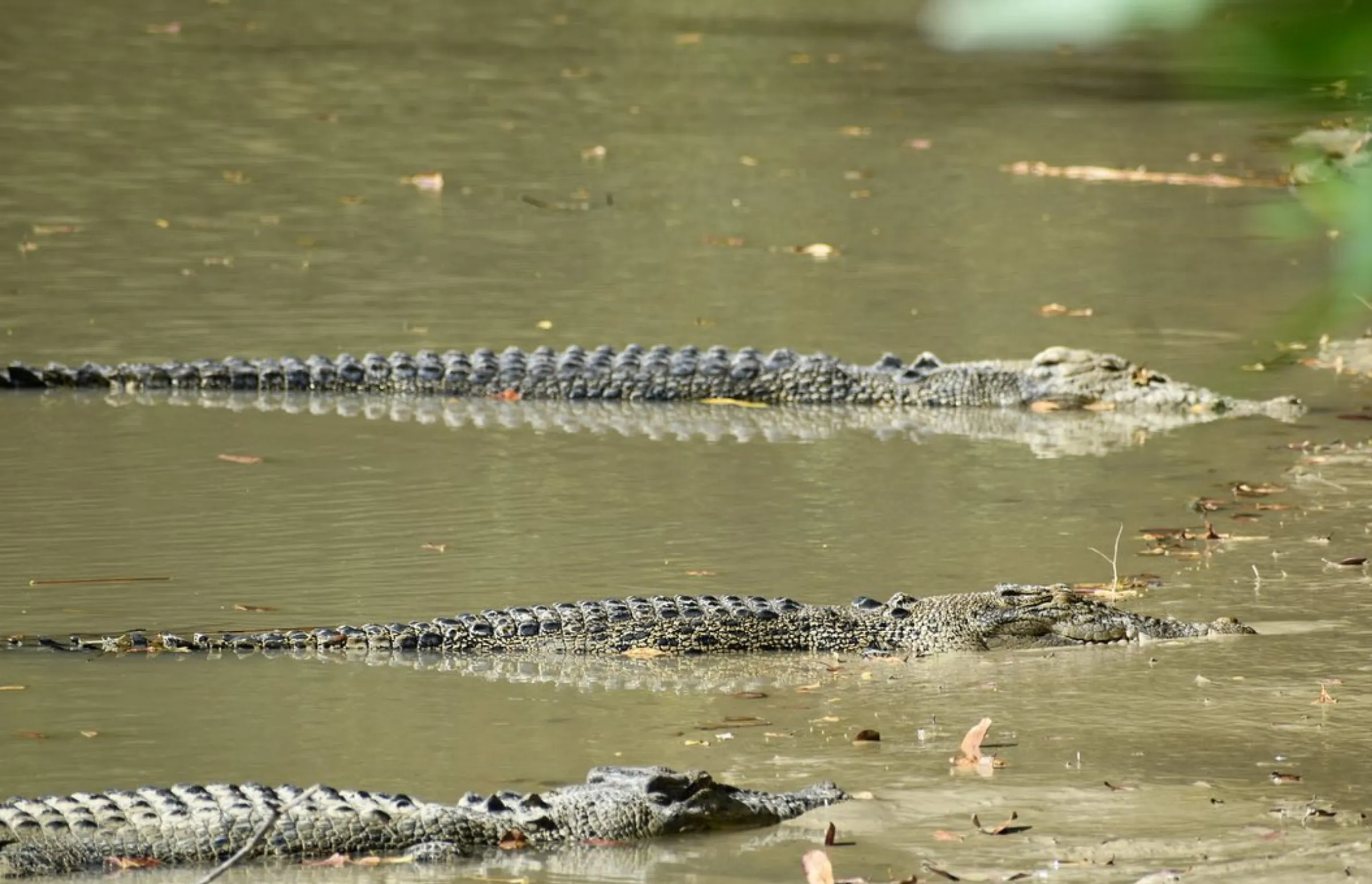
Crocodile experts from Charles Darwin University have studied the area and say Cahills Crossing is one of the best examples of how crocodile habitats thrive under federal body conservation laws and environmental regulations. According to Grahame Webb, a leading crocodile conservationist, these croc adventures show a healthy population that bounced back after crocodile hunting was banned in the 1970s.
Many Kakadu tours include Cahills Crossing on their itinerary, so you can see this incredible concentration of crocs from a safe viewing platform.
Why So Many Crocodiles?
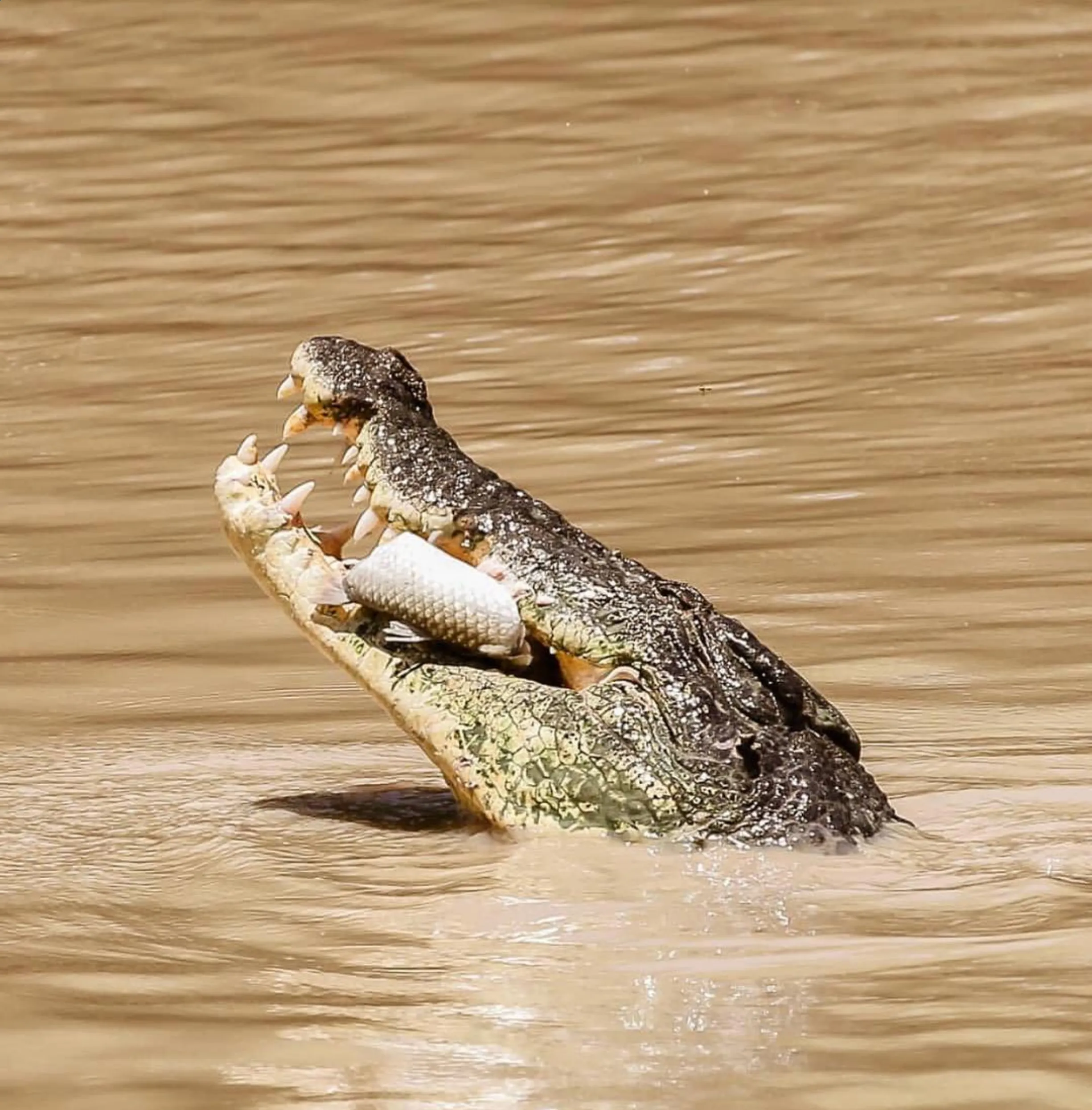
The abundance of crocodiles at Cahills Crossing can be attributed to three things: food, environment and conservation.
- Food Source: The run-off season and tidal times create perfect conditions for baitfish and barramundi fishing, attracting hungry crocodiles to the area.
- Conservation Efforts: Under the watch of Parks Australia and institutions like the Department of the Environment and Heritage, crocodiles here are protected, not hunted.
- Ideal Habitat: A mix of coastal land, tropical Arnhem Land, and wet season floodplains makes for breeding and nesting grounds.
As Rodney Fischer, senior crocodile management supervisor, says, “it’s a perfect storm” for crocs. Guests on a Darwin to Kakadu day trip often rate this as one of the highlights of their trip.
Dangerous Waters: A Croc Hotspot
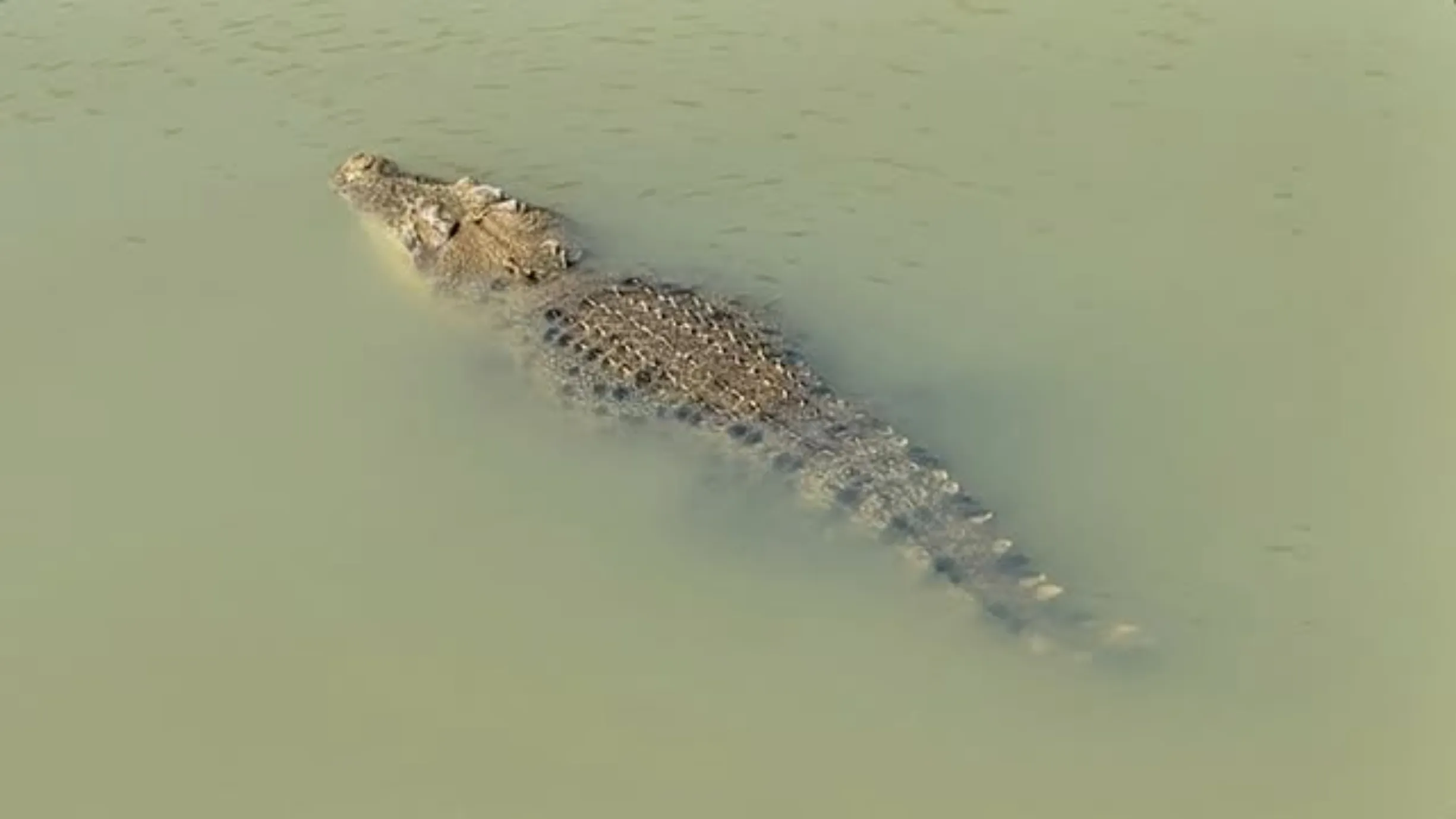
Despite the show, Cahills Crossing has a dark history of fatal attacks. In 1987 47 year 47-year-old Kerry McLoughlin was killed by a 3.5m saltwater crocodile while fishing, a story that’s been told in media and education programs ever since. More recently, a 40-year-old man died after entering the river—another reminder of the dangers of risky behaviour around apex predators.
Incidents have led to widespread condemnation of unsupervised visitors, with park rangers increasing safety guidelines, safety briefings and crocodile safety signs. Crocodile hazard signs often featuring artwork from local Aboriginal communities are installed near boat ramps and crossings, warning of ambush predators.
Tour participants on a 2 day Kakadu tour are given detailed safety briefings before arriving at Cahills Crossing so they understand the issue of crocodile safety and how to observe these amazing creatures responsibly.
Best Time to See Crocs
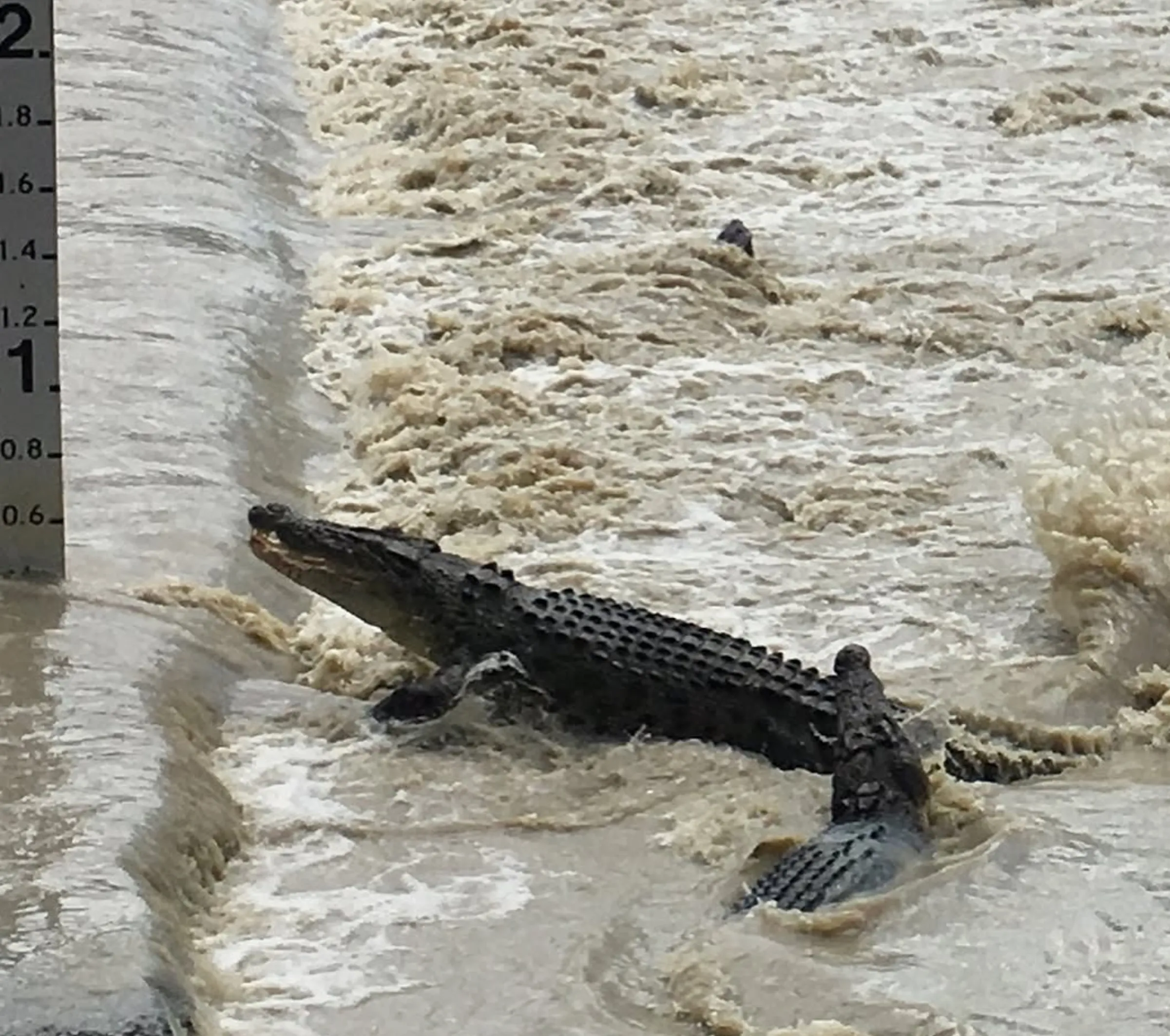
The dry season (May to October) is the best time to visit. During this time, the water levels drop, the fish are concentrated, and crocodile sightings are rampant. Croc-watching is especially good during tidal changes when dozens of crocs gather to catch fish swept over the crossing.
Visitors on a Darwin to Kakadu day trip during this time can often see large groups of crocs competing for food—an unforgettable sight. The experience is made even better when guides share insights into crocodile behaviour, the natural habitat and local Aboriginal culture.
This is also when the Crocodile Hotel in Jabiru becomes a popular base for visitors, offering croc experiences, croc cruises and educational talks led by local experts. If you’re staying longer a 2 day Kakadu tour gives you time to explore the area’s wildlife, waterfalls and Indigenous culture at a leisurely pace.
Tourism & Safety
As crocodile conservation and management becomes more prominent, visitor safety is top of mind. Behaviour around crocodiles is key to preventing attacks.
Key Safety Advice:
- Don’t wade or drive through the river during high tide.
- Don’t fish or swim in crocodile-infested waters.
- Follow all Crocodile warning signs and ranger directions.
- Don’t copy what you see on social media.
- Read the safety information in visitor brochures and Bowali Visitor Centre resources.
Even beer cans and cartons of beer left behind by visitors have attracted crocs, so human interaction changes crocodile behaviour. Tour guides are trained to deliver safety briefings and instill crocodile sense in guests.
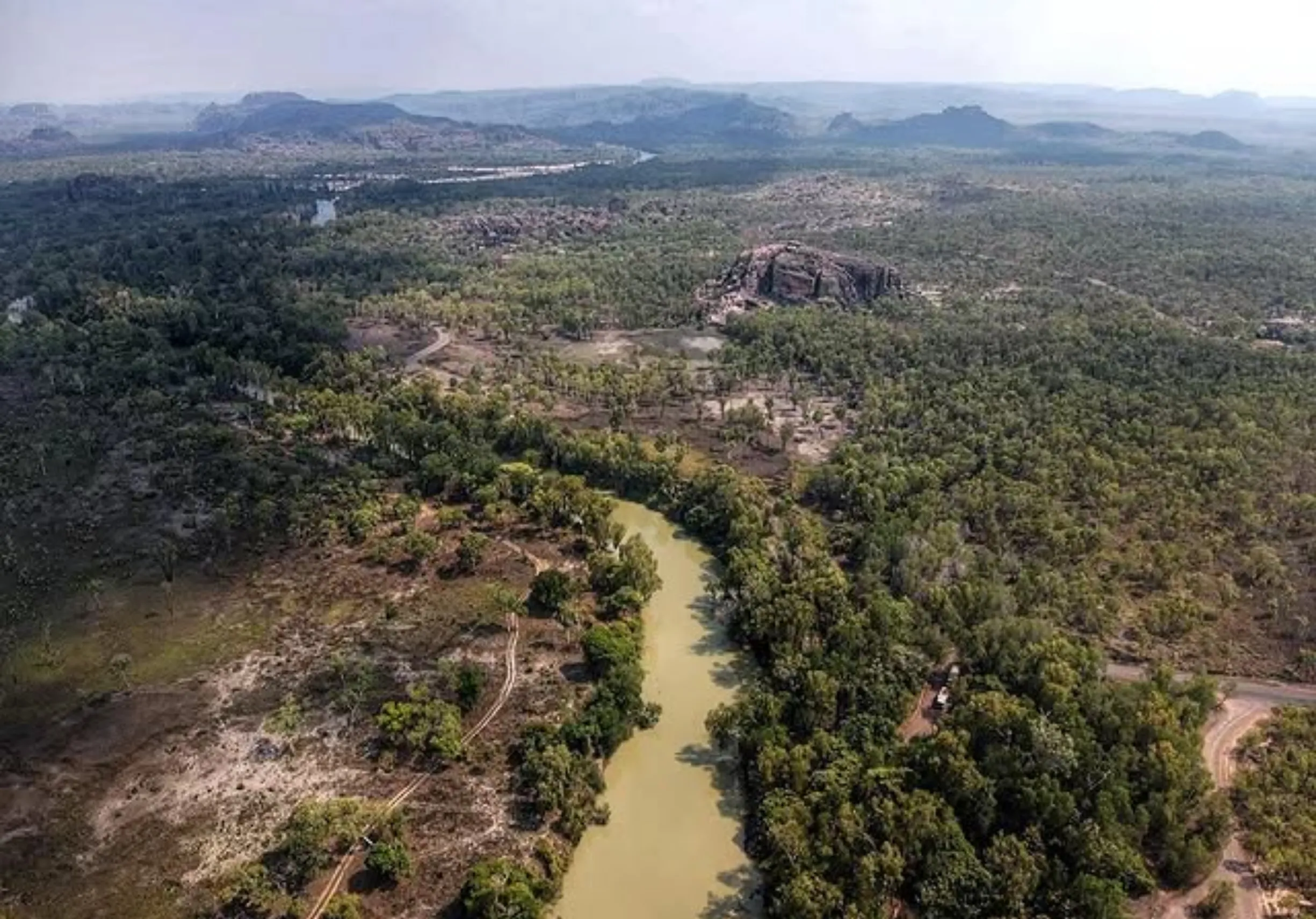
Whether you’re on a full-day tour or a shorter trip, stay informed and alert. Book a Kakadu Day Trip from Darwin with an experienced guide, and you’ll be safe and get the most out of the experience.
Final Thoughts
Cahills Crossing is more than just a pretty spot; it’s a crocodile playground, where you can see wild crocodiles in their natural environment. With crocodile knowledge, proper guidance and respect for Aboriginal land and park rules, you can see crocodiles with people safely and responsibly.
Whether you’re on one of the many Kakadu tours, doing a Darwin to Kakadu day trip, or a 2 day Kakadu tour, Cahills Crossing will leave you in awe.
FAQs
How many crocodiles are at Cahills Crossing?
Up to 40 crocodiles can be seen at one time during feeding tides, and over 120 live in this part of Kakadu National Park.
Why is Cahills Crossing so dangerous?
It’s a known crocodile ambush point. Past fatal attacks (including Kerry McLoughlin) show just how risky it is.
Can you walk or drive across Cahills Crossing?
Not during high tide and not recommended due to crocodile-infested waters. Signs and rangers will warn you.
What’s the best time to see crocodiles here?
Visit in the dry season (May to October) during tidal shifts. This is when croc sightings are at their peak.
Are there tours to see the crocs safely?
Yes, many Kakadu tours, including 2 day Kakadu tours and Kakadu Day Trips from Darwin, include safe croc watching at Cahills Crossing.